Start a Market: Decide What Your Event Is, What It Is For and When It Happens
Start a Market roadmap, steps 1 to 3
By Find A Market Published November 3, 2026
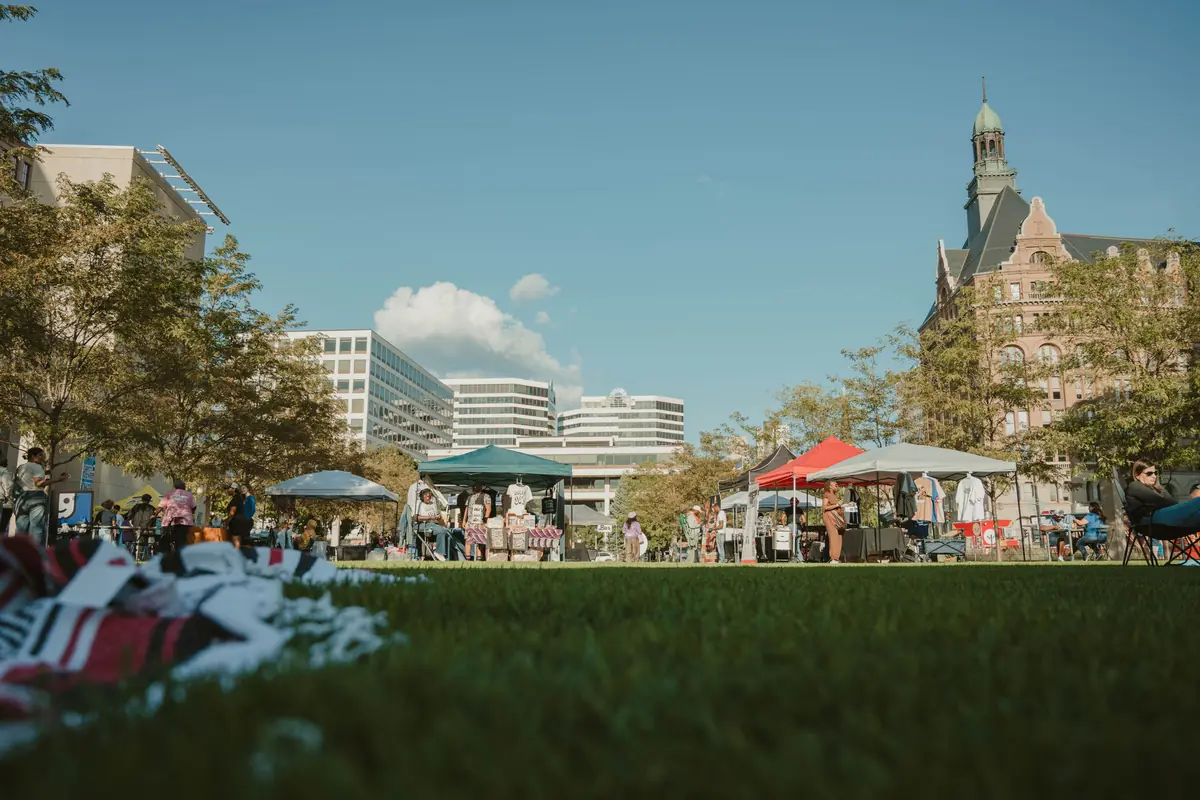
Before venue searches, vendor applications or budget discussions enter the picture, there are three decisions that need a place on paper. Define the event and the people it is meant to bring through the door. Put the purpose into a single sentence. Choose a date, then choose another one in case the first choice falls through. With those items written down, the rest of the planning has something solid to follow.
What kind of event is it, and who is it for?
Many small events can look alike from the outside, but they are not serving the same purpose. A market is built around coming back again. A pop-up is intended for a single appearance. A craft fair focuses on handmade vendors. A fundraiser table needs a clearly identified cause behind it.
A useful exercise is keeping two short statements in view: one identifying the event itself, the other identifying the people expected to attend. Write them on a card and leave that card where it will be seen every day.
Those two lines create boundaries. Once they exist, later choices have a point of reference.

Write a one-sentence goal
The first goal does not need to be grand. It needs to be clear.
Sometimes the easiest path is starting with the words "Success means" and finishing the sentence from there. The result might be "ten vendors and a good day for the neighborhood", "raise money for the library roof" or "show that downtown can hold a Saturday market".
That single sentence becomes a practical tool. It helps determine the number of vendors to pursue, the amount of space required and the standard that will be used to judge the outcome. When the day is over, the same sentence provides the answer to whether the event accomplished what it set out to do.
Pick a date, and a backup date
The calendar around an event matters. School events, holidays, big sports weekends and other markets within driving distance all deserve a look before a date is selected. For every date being considered, check school calendars, holidays and nearby events.
Weather belongs in the conversation too. In many places, early fall and late spring are friendlier than a mid-summer afternoon.
Do not stop with one possible date. Choose two. If the first venue turns down the preferred option, the second date is ready to use.
Bringing the Plan Into Focus
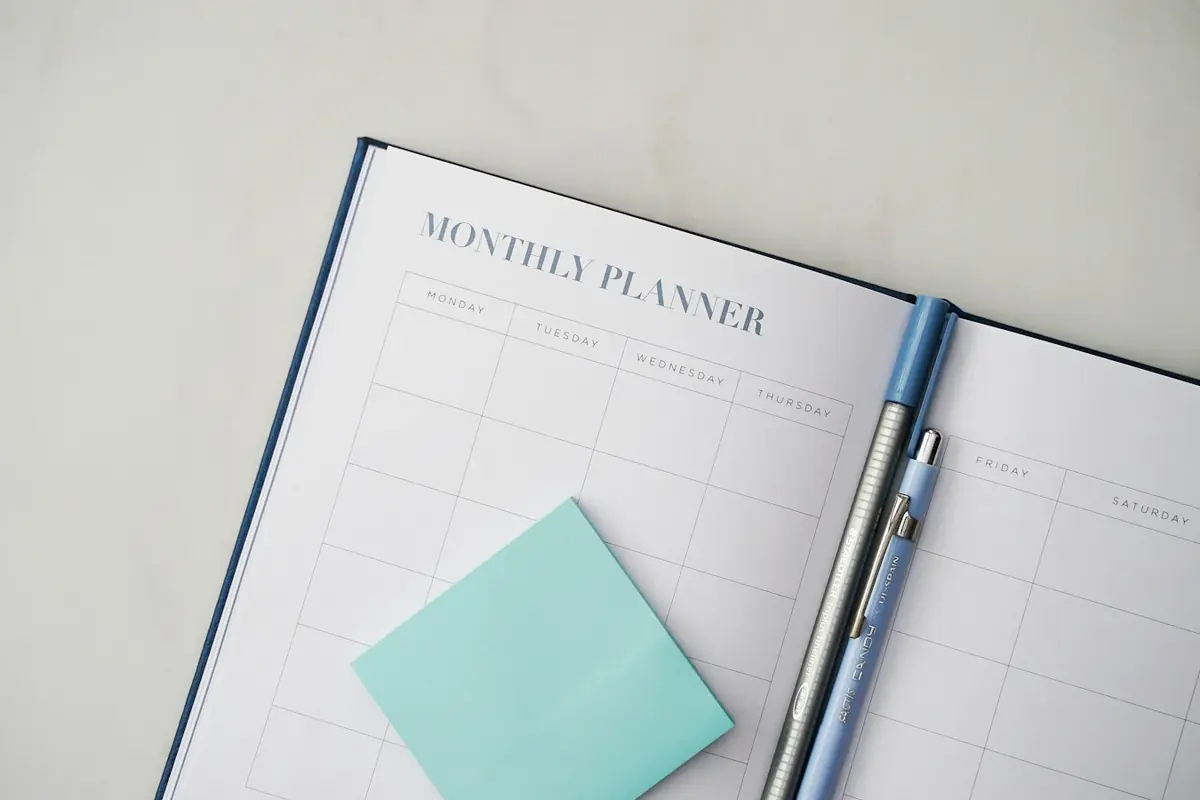
A first market, pop-up or craft fair starts taking shape once its purpose, audience, goal and dates are clearly defined. Knowing what the event is, who it serves, what "Success means" and which dates are available gives the rest of the planning process a clear starting point.
From the Find A Market organizer community. Join the discussion in the Start a Market group.
Registered organizers can read the full set of articles. Register as an organizer.
© 2026 Find A Market