Start a Market: Finding, Choosing and Answering Your Vendors
Start a Market roadmap, steps 10 to 14
By Find A Market Published November 15, 2026

After the venue, budget and booth fee are settled, the next job is building the vendor side of the event. That includes deciding how many spaces are available, choosing the right mix of vendors, creating an application, recruiting the first group of sellers, handling common questions and sorting through applications when there are more interested vendors than open spots.
How many vendors, and what mix
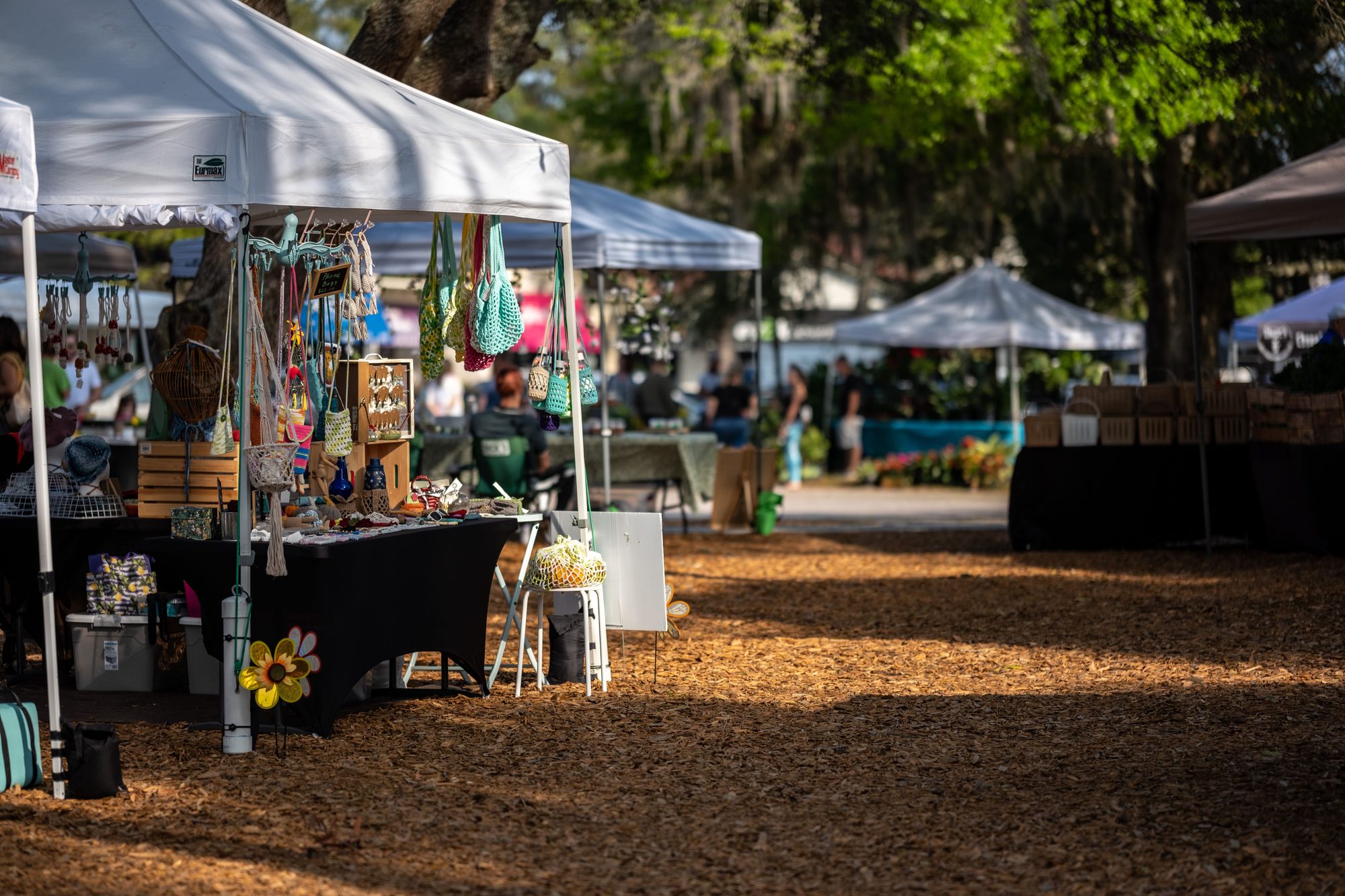
Before inviting anyone, figure out how many booths the site can realistically hold. Take the usable area, work out how many 10 by 10 spaces fit inside it, and calculate the count from the booth size while leaving space for wide aisles.
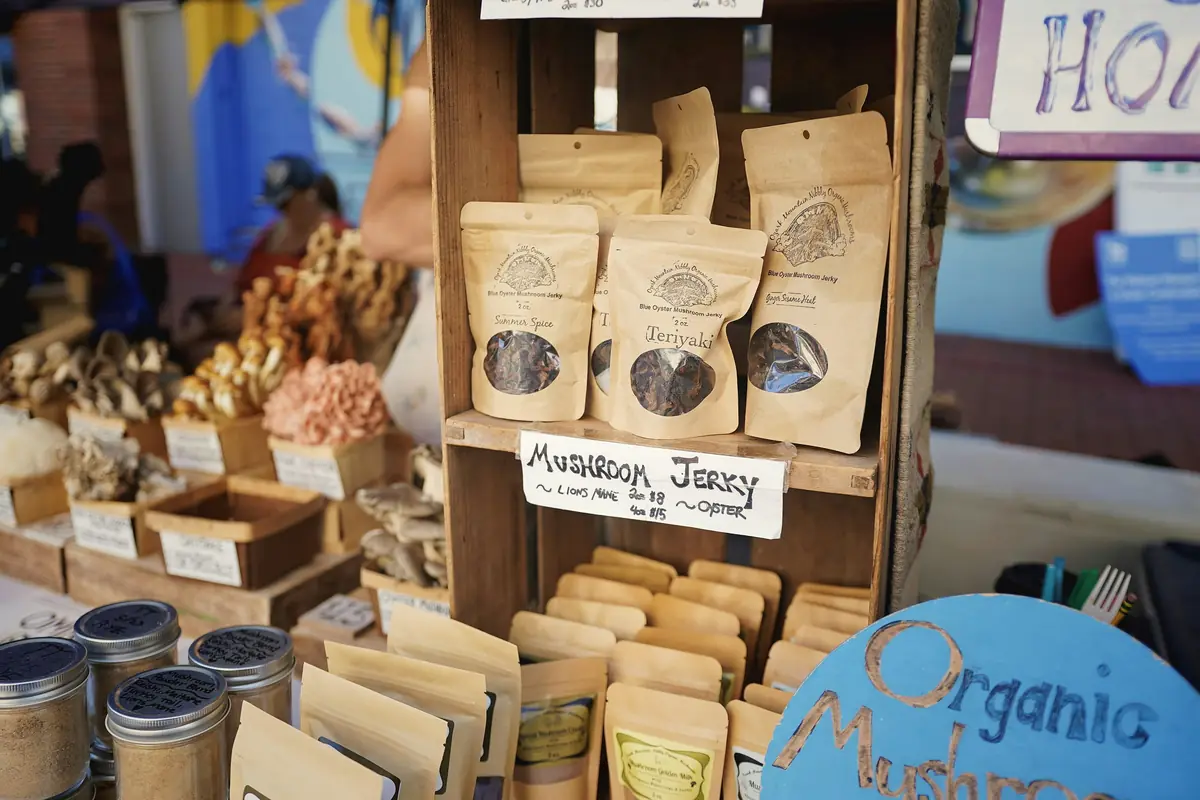
A market also needs a mix. Makers belong in the lineup, but so does something to eat and something for kids. One approach is to spread the spaces at roughly a third per category, then leave room for a few anchors and room for first-timers.
Write the vendor application
A vendor application works best when it stays focused on the information needed to make a decision. Contact details belong on it. So does a description of what the applicant makes or sells. Ask for photos of the display as well, specifically three photos of their work or booth.
Booth size, power needs and whether they will sell food should all be part of the application. The same form should also state the fee, the dates and the cancellation terms.
The form should include agreement to the date, setup times, cancellation terms, rain-out terms, and the tent and tables. Keep the format short. A short form or a one-page document is easier to complete, and short forms get more good vendors. The application deadline should be stated clearly so everyone knows when applications close.
Find your first ten vendors
To end up with ten vendors, begin with a list of about twenty names. The first names on that list should be makers and sellers already known or admired. Send each one a short, friendly invitation, then ask who else they would recommend.
After that, widen the search. Other events can provide leads. Local makers and guilds can provide leads as well. Libraries, art programs, church bazaars, local shops, community groups and online vendor groups are also places to look.
Keep the outreach simple. Include the date, town, hours, booth size and application information. Short, personal invitations work better than a blast. Keep the names organized with a simple tracking sheet.
Answer vendor questions before they are asked
Many of the questions arrive again and again. Vendors ask about fees. They ask about dates, hours, booth size and setup time. Questions about power, parking and the weather plan come up as well.
Rather than rebuilding those answers repeatedly, put them on a single page. That page should contain the date, hours, fee, setup time, parking, power and rain plan.
Every reply should use the same date, town and contact details, and everyone should receive the same answers. Responses should go out within a day or two. If the same question is asked repeatedly, add the answer to the application page.
Choose your vendors, and say no kindly
Once applications arrive, compare them against the category mix planned in the first step of this piece. Spend time looking through the photos too.
Keep a waitlist. Arrange it in order and note each vendor's category alongside the name.
Some applicants will not fit. Prepare a short, warm message for those vendors. Thank them, explain that all spots are full, offer a place on the waitlist and mention next time. Deliver that message within the week.
A brief and polite no, paired with a reason, keeps the relationship intact and leaves the door open for later events.
Final Notes
The vendor side of a market comes down to a series of connected tasks: calculating space, building a mix of makers, something to eat and something for kids, collecting the right information through a short application, recruiting from personal outreach and local sources, keeping answers consistent, maintaining a waitlist and communicating clearly when space runs out.
From the Find A Market organizer community. Join the discussion in the Start a Market group.
Registered organizers can read the full set of articles. Register as an organizer.
© 2026 Find A Market